Hero image

Safety Certificate Due? Here's Why Waiting Until the Last Minute Can Cost You

Have you ever decided to sell your car, only to discover you need a Queensland Safety Certificate before the registration can be transferred?

It's a situation many vehicle owners don't think about until the paperwork begins. Then suddenly there's a deadline, a buyer waiting and the possibility that your vehicle may not pass its inspection the first time.

The good news is that most Safety Certificate failures involve issues that can be repaired. Better still, many of them can be identified well before you decide to sell or transfer your vehicle.

At Smithfield Car Diagnostics, we often explain that a Queensland Safety Certificate (sometimes still called a "roadworthy") isn't designed to prove a vehicle is mechanically perfect. Instead, it confirms that the vehicle meets Queensland's minimum safety standards at the time it is inspected. That distinction is important and often misunderstood.

What is a Queensland Safety Certificate?

A Queensland Safety Certificate is an inspection carried out by an Approved Inspection Station (AIS) to check whether a vehicle meets the minimum safety requirements set by the Queensland Government.

For most passenger vehicles, you'll generally need a Safety Certificate when:

  • selling a registered vehicle privately
  • transferring Queensland registration to a new owner
  • registering an unregistered vehicle
  • registering a vehicle brought into Queensland from another state or territory.

The inspection focuses on safety-related items including:

  • tyres
  • brakes
  • steering
  • suspension
  • lights
  • windscreen
  • body condition and structural rust or damage.

Importantly, it is not a comprehensive mechanical inspection. A vehicle could receive a Safety Certificate and still require future servicing or repairs because the inspection is concerned with minimum safety standards—not the overall condition or expected lifespan of every component.

Our Qualified Inspector conducting a Safety Certificate Inspection at Smithfield Car Diagnostics

Why Safety Certificates Matter

A Safety Certificate helps ensure that vehicles changing ownership meet basic safety standards before returning to Queensland roads.

Think of it like a health check rather than a full medical examination.

The inspection looks for faults that could affect safe operation. Worn tyres, ineffective brakes, damaged steering components or broken lights might not stop your car from driving today, but they could significantly increase the risk of an accident tomorrow.

For buyers, the certificate provides confidence that the vehicle met Queensland's minimum legal safety requirements on the day it was inspected.

For sellers, it helps avoid delays during the registration transfer process and ensures legal obligations have been met. The Queensland Government can issue significant fines if a registered vehicle is disposed of without the required current Safety Certificate in situations where one is legally required.

A Queensland Safety Certificate confirms a vehicle meets minimum safety standards—not that it's mechanically perfect.

How Modern Cars Differ From Older Vehicles

Older vehicles were relatively simple. Modern cars contain advanced safety systems such as:

  • Anti-lock Braking Systems (ABS)
  • Electronic Stability Control (ESC)
  • multiple airbags
  • advanced lighting systems
  • electronic steering and braking components.

While the Safety Certificate inspection still concentrates on minimum road safety requirements, today's vehicles often rely on electronic systems working alongside mechanical components to keep occupants safe.

That makes regular servicing even more important, especially as vehicles become increasingly complex.

Why Vehicles Fail Safety Inspections

Many owners are surprised that a vehicle driving "perfectly fine" can still fail.

That's because some safety problems develop gradually.

Common reasons include:

  • tyres worn below the legal tread depth
  • cracked or damaged windscreens affecting visibility
  • suspension bushes that have deteriorated
  • leaking shock absorbers
  • steering components with excessive wear
  • brake components below minimum specifications
  • faulty lights or indicators
  • structural rust or accident damage

Often the driver hasn't noticed the problem because it developed slowly over thousands of kilometres.

Here's An Example Of Why It's Easy For Car Owners To Miss Issues

A customer recently planned to sell their 2015 family SUV before moving interstate.

The vehicle had been reliable and drove well, so they expected the inspection to be straightforward.

However, during the Safety Certificate inspection several issues were found:

  • both front tyres had worn unevenly and were below the legal limit on the inside edges
  • one rear brake light wasn't working
  • the front lower ball joint had excessive wear.

The owner hadn't noticed any obvious problems because the tyre wear wasn't visible unless you looked underneath the front wheels, and the failed brake light wasn't something they could easily see while driving.

After replacing the tyres, repairing the light and fitting a new ball joint, the vehicle passed its re-inspection and was ready for sale.

Situations like this are common and demonstrate why routine servicing can identify wear long before it becomes an inspection issue.

Most Safety Certificate failures aren't major disasters—they're often the result of gradual wear that regular servicing can detect early.

Practical Tips Before Booking Your Inspection

You can improve your chances of a smooth inspection by:

  • checking that all lights operate correctly
  • ensuring tyres have adequate tread and are inflated correctly
  • replacing worn windscreen wiper blades
  • repairing chips or cracks that obstruct the driver's view
  • listening for unusual steering or suspension noises
  • booking regular servicing instead of waiting until sale time

Even a quick pre-inspection can help identify simple issues before the official inspection.

Many people think a Safety Certificate guarantees a car won't need repairs for months afterwards.

In reality, the certificate simply confirms the vehicle met Queensland's minimum legal safety standards on the day it was inspected. Components can still wear naturally after the inspection, particularly if the vehicle is driven regularly.

FAQ

Do I need a Safety Certificate every year in Queensland?

No. Unlike some states, most privately owned light vehicles in Queensland don't require an annual Safety Certificate. They are generally required when selling, transferring registration, registering an unregistered vehicle or bringing a vehicle into Queensland registration.

Can I sell my registered vehicle without one?

In most private sales of registered vehicles, you'll need a current Safety Certificate before disposing of the vehicle, unless an exemption applies.

Does a Safety Certificate mean my car is mechanically perfect?

No. It only confirms the vehicle met Queensland's minimum safety requirements during the inspection.

How long is a Safety Certificate valid?

For most private sellers, it remains valid for 2 months or 2,000 kilometres, whichever comes first. Different rules apply to licensed motor dealers.

What if my vehicle doesn't pass?

The inspector will explain the reasons for the failure. Once the necessary repairs are completed, the vehicle can generally be re-presented for re-inspection in accordance with Queensland inspection requirements.

Is a pre-purchase inspection the same as a Safety Certificate?

No. A Safety Certificate checks minimum legal safety standards, while a comprehensive pre-purchase inspection provides a much more detailed assessment of the vehicle's overall mechanical condition.

Drive Away With Confidence

Whether you're preparing to sell your vehicle, transferring registration or simply want peace of mind, understanding Queensland's Safety Certificate requirements can save time, money and unnecessary frustration.

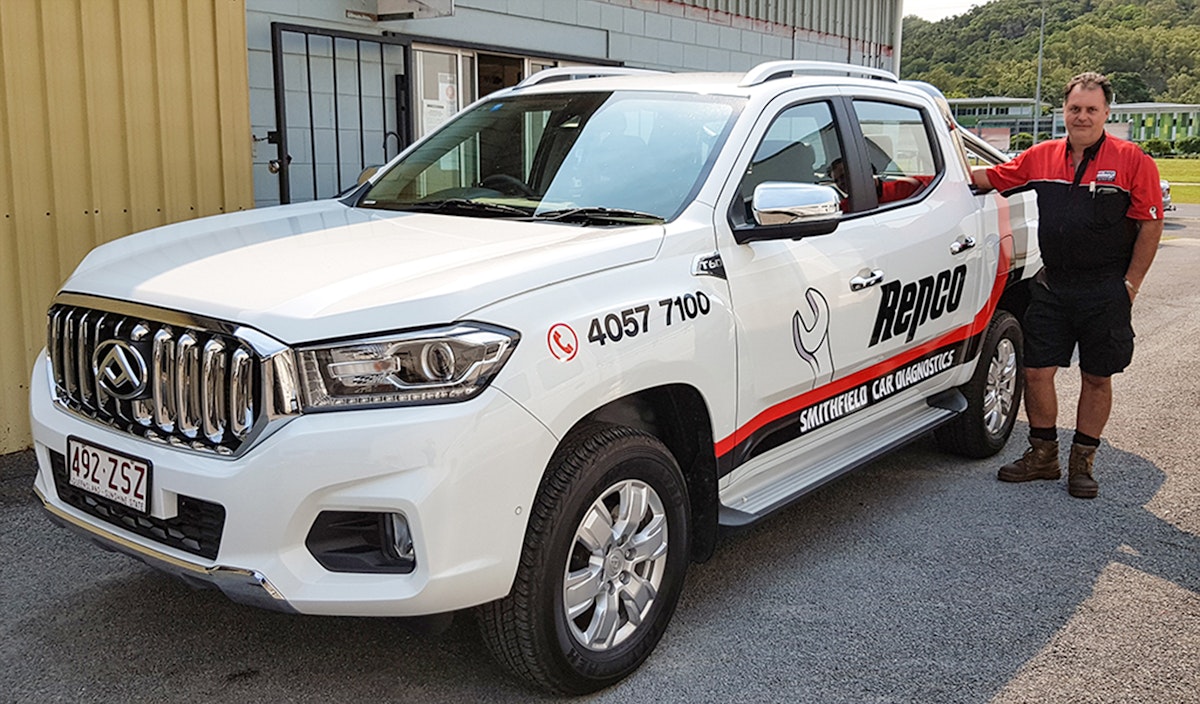
As an independently owned Repco Authorised Service centre, Smithfield Car Diagnostics in Smithfield, Cairns can provide honest advice about your vehicle's condition, explain any issues in plain English and help you understand what may be required before an inspection. If you're unsure whether your vehicle is ready, book an inspection or ask our friendly team for advice. A little preparation today could make your vehicle sale much smoother tomorrow.

Related articles

Thumbnail for Pre-Purchase Inspections
Service
Pre-Purchase Inspections

Looking to buy a used or preowned vehicle? Smithfield Car Diagnostics in Smithfield, Cairns can conduct a Pre-Purchase Vehicle inspection to assess the condition of most motor vehicles and provide you with a detailed Report.

Read more
Thumbnail for Steering Straight
Article
Steering Straight

Need steering repairs in Smithfield, Cairns? Smithfield Car Diagnostics provides expert steering system servicing, diagnostics and repairs for safer, smoother driving. Book today.

Read more
Thumbnail for Car Service & Repairs in Smithfield,  Cairns
Article
Car Service & Repairs in Smithfield, Cairns

Smithfield Car Diagnostics provide expert car air conditioning (AU06380), brake & clutch, engine repairs, pre-purchase inspections and auto electrical service, along with electronic fuel injection and suspension & steering servicing.

Read more